
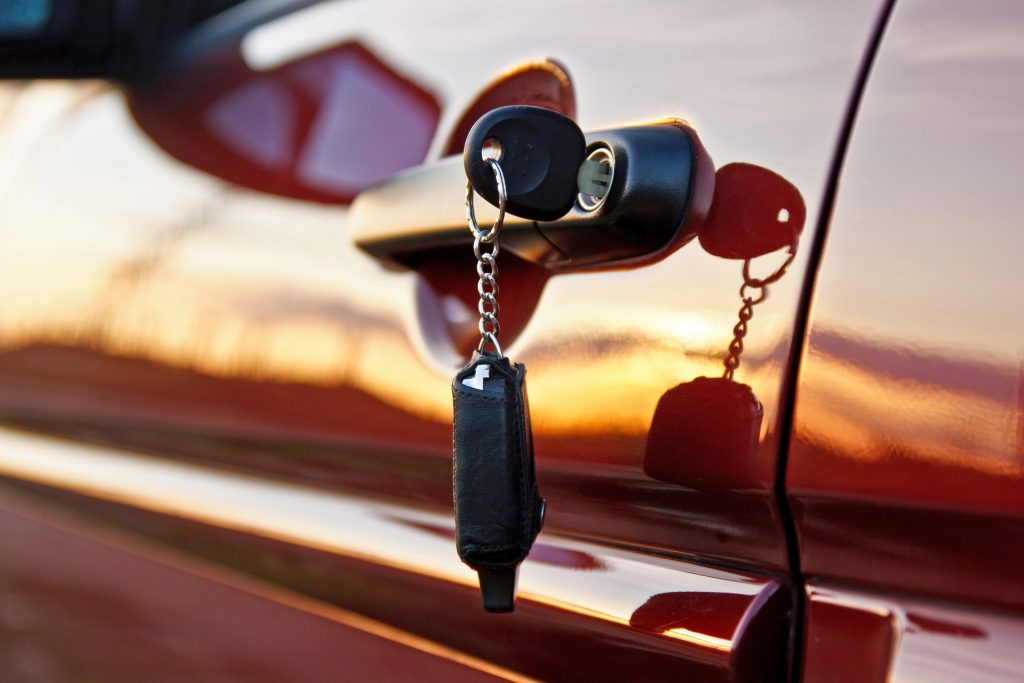
Cold mornings often bring more than just slippery roads. When car door locks freeze, simple errands turn into frustrating delays. Moisture trapped inside keyholes or behind seals turns into ice when temperatures drop. As a result, keys jam or doors refuse to open. This issue is common during winter, especially in cities like Calgary. Knowing how locks freeze and the safest ways to fix them helps us avoid costly damage and wasted time.
What Causes Car Locks to Freeze?
Frozen car locks start with trapped moisture. Rain, snow, or condensation enters the keyhole or settles behind rubber seals. After that, freezing temperatures harden that moisture into ice. Once the keyhole or door edge freezes, entry becomes difficult or impossible.
Locks exposed to wind chill or parked in shaded spots often freeze faster. In some vehicles, worn-out seals or damaged trim allow more water to get inside. When the temperature drops overnight, these small amounts of water expand and block the mechanical parts. If the issue keeps happening, we suggest booking an inspection through an automotive locksmith Calgary service.
What to Look for When the Lock Is Frozen
A frozen lock acts differently from a broken one. If your key inserts but won’t turn, that’s a sign of ice inside the cylinder. If you pull the handle and the door won’t budge, ice may have sealed the rubber to the frame.
Sometimes the lock works but the door sticks halfway open. In that case, ice may be behind the weather stripping. If your car has a keyless entry and nothing responds, ice may have affected the sensors or latch. Before forcing anything, we recommend getting help from a car lockout Calgary specialist to prevent damage.
Unsafe Ways to Unfreeze Locks (Avoid These)
Certain quick fixes can cause long-term problems. For instance, pouring hot water over the lock may seem effective, but that water can refreeze deeper inside. It can also crack the door panel if it cools suddenly.
Using sharp tools like knives or screwdrivers often scratches the paint or breaks the trim. Forcing the key to turn risks snapping it inside the cylinder. Even holding a lighter near the keyhole or using a heat gun can melt seals and create bigger repair needs. If you’re unsure, consult an automotive key specialist in Calgary before making a risky decision.
Safe and Practical Ways to Unfreeze Your Lock
Start by gently warming the key with your hands. Once it’s slightly warm, insert it slowly and try moving it without pressure. This small movement can break surface ice without harm.
A better option is using a lock de-icer spray. It contains chemicals that lower the ice’s freezing point. Spray it directly into the lock, wait ten seconds, and try the key again. You can also blow warm air onto the keyhole using a hairdryer plugged into an extension cord.
For vehicles with sealed keyless entry, apply warmth around the handle or use a remote starter install in Calgary to gradually heat the vehicle’s body before trying to open it.
What to Do When Door Seals Freeze Shut
Sometimes, the lock works fine, but the door still won’t open. That usually means the rubber weather stripping has frozen to the doorframe. Forcing it can tear the rubber or snap the handle.
Instead, press gently around the door’s edges with both hands. The pressure can help crack the thin ice layer. You can also slide a plastic card between the frame and seal to break the bond. Once the door opens, apply silicone spray to the rubber edges to prevent future freezing.
If seal freezing happens often, there might be hidden moisture trapped behind panels. Replacing damaged seals or adjusting door alignment may help prevent long-term issues.
Troubleshooting Frozen Key Fob Systems
Keyless entry systems are also vulnerable. The fob might work, but the door handle or locking sensor could be frozen. Sometimes the system doesn’t respond at all because internal electronics get too cold.
To fix this, warm the key fob in your hand or pocket. Weak batteries can temporarily stop working in freezing weather. Also, test other doors, as not all may freeze at once. If nothing responds and the physical key doesn’t work either, your best option is calling for emergency help from an automotive locksmith Calgary.
Preventing Locks From Freezing
Prevention saves time and avoids frustration. Apply a dry lubricant like graphite powder or silicone spray inside the lock before winter starts. These keep moisture from settling inside the cylinder. Reapply every few weeks when temperatures stay low.
Use a rubber-safe seal protector on door edges. This helps keep seals soft and prevents ice from bonding with the frame. Also, avoid parking with snow on the car. Snow melts, runs into crevices, and refreezes overnight. Drying your vehicle fully before parking reduces this risk.
If you frequently deal with this issue, we suggest exploring car key replacement Calgary services that include weather-resistant key options or emergency spares for safe winter access.
Why Some Vehicles Have More Freezing Issues
Freezing lock problems vary between models. Cars with recessed handles or metal trim tend to trap moisture easily. Older vehicles are also more prone to seal damage, allowing water inside even when doors are closed tight.
Vehicles parked on the windy side of a driveway or those used less often also freeze faster. Cold air circulates differently depending on exposure and surface condition. Even habits like unlocking the door while holding a wet glove can add moisture to a lock.
We always recommend inspecting the seals, alignment, and keyhole condition if one vehicle freezes more often than another. Having this knowledge helps reduce long-term issues and improve your winter routine.
Build a Winter Lock Emergency Kit
Every driver should have a winter-ready kit. Include a small bottle of lock de-icer, a soft cloth, a plastic scraper, and silicone seal spray. Carry a power bank to recharge your fob in an emergency. If possible, keep a backup mechanical key in your coat or bag.
Some kits stay inside the vehicle, but that only works if you can access a trunk or back hatch when the main door is frozen. Otherwise, keep the items somewhere you can reach without unlocking the car. For more advice on tools or winter preparation, our team at Super G&R automotive locksmith in Calgary is here to help with practical tips and fast response.
Need Immediate Help With a Frozen Lock?
If your car door won’t open and you’re stuck outside, avoid using unsafe tools or heat. The right fix depends on where the freeze occurred and what type of lock system your vehicle uses. For trusted help and quick solutions, visit our Contact Us page today. We’ll guide you through the safest next steps and help you get back on the road without delay.
FAQ
How do I know if the problem is ice or a broken lock?
If your key fits but won’t turn and there’s no visible damage, the issue is usually ice. A broken lock often feels loose or rough.
What can I use if I don’t have de-icer spray?
You can warm the key gently or use rubbing alcohol on a cotton swab. Avoid water or open flames.
Will frozen locks damage my car permanently?
Not usually. But forcing the key or handle can lead to cracked trim, snapped cables, or broken seals.
Does garage parking solve the freezing issue completely?
It reduces the chance, but moisture trapped before parking can still refreeze. Drying the car first helps more.
Can I still use my key fob when the door is frozen shut?
Yes, but if the handle or sensors are frozen, you might not be able to open the door even if it unlocks electronically.

