
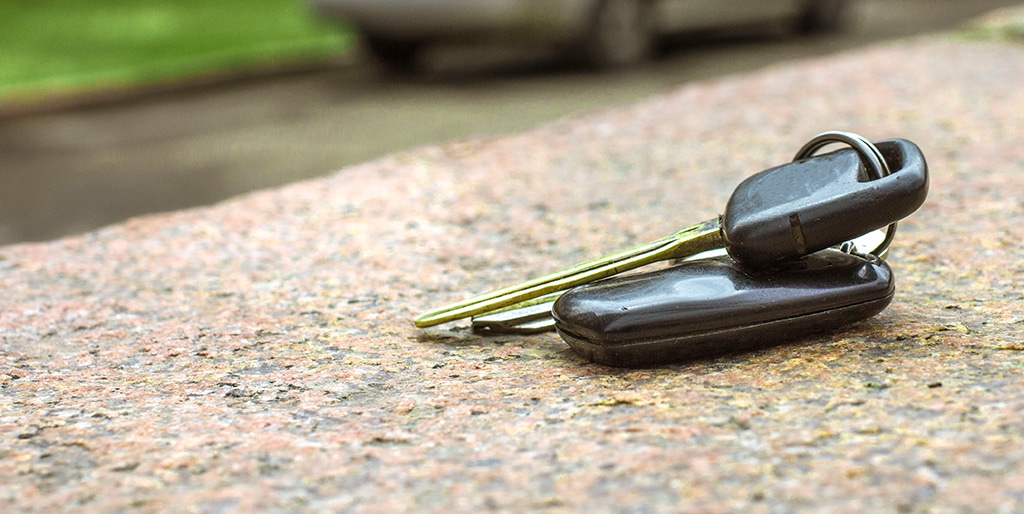
Cold weather brings its own challenges to every vehicle owner, and smart keys are no exception. When temperatures drop, many drivers notice that their smart key suddenly becomes unreliable. One moment it unlocks the car without an issue, and the next it refuses to respond. Understanding why this happens and how to fix it can save frustration, time, and even prevent getting stranded in freezing conditions.
How Cold Weather Affects Smart Key Performance
Smart keys rely on small electronic signals that communicate between the fob and the vehicle. These signals are sensitive to both temperature and battery condition. When cold air thickens and moisture increases, it slows down chemical reactions inside the fob’s battery. This causes weaker signals and shorter transmission range. Sometimes the vehicle’s receiver also becomes less responsive in cold temperatures, especially when frost or condensation builds up around the antenna or locking mechanism.
We often assume the problem is with the car itself, but in many cases, it starts with the key fob. The tiny coin battery inside can lose up to half its efficiency in freezing temperatures. Once it warms up again, it may seem to work fine, which makes the issue seem unpredictable.
Check the Battery First
The most common cause of intermittent smart key issues in winter is a weak battery. Even if it worked a week ago, a cold snap can bring it below the voltage needed to maintain steady communication. Replacing the battery is simple, inexpensive, and often solves the problem immediately.
When changing the battery, make sure to use the correct model as listed in your vehicle’s manual. Handle the new one carefully, avoiding direct contact with metal surfaces, which can reduce its lifespan. Once replaced, test the fob from different distances and angles to confirm steady performance.
If you notice that your fob works only when held close to the car door, that’s a clear sign of a weak battery or minor corrosion on the battery contacts. Cleaning the contacts with a cotton swab dipped in rubbing alcohol can restore conductivity and improve response.
Keep the Fob Warm and Dry
Extreme cold not only affects the battery but also causes condensation inside the fob when moving between warm and cold environments. Moisture can temporarily interfere with the circuitry and cause intermittent communication.
One practical way to avoid this is by keeping the fob in an inside pocket close to your body rather than in an outer coat pocket or cup holder. Your body heat helps maintain a stable temperature and prevents internal moisture from forming. If you suspect water intrusion, open the fob carefully and let it dry naturally at room temperature for a few hours. Avoid using direct heat sources, as excessive heat can warp the plastic or damage the internal components.
Inspect for Dirt and Corrosion
Road salt, moisture, and dirt can find their way into the smallest gaps of your vehicle, including the keyless entry sensors around your door handles. Corrosion or buildup in these areas can disrupt signal reception and mimic a key fob malfunction.
Wipe the handles and the area around the car’s antenna regularly, especially after driving through slush or road salt. A soft cloth and mild cleaner are usually enough. Avoid harsh chemicals that might damage the sensor housing. Cleaning these areas can help maintain proper signal strength between the fob and the car’s receiver.
Avoid Storing the Fob in a Cold Car
Leaving your smart key in the vehicle overnight might seem convenient, but it exposes it to extreme cold for long hours. The battery discharges faster, and condensation can build up once the cabin warms again. Always bring the fob indoors when not in use. This simple habit extends the life of the battery and keeps the circuitry dry.
If your vehicle uses a push-start system, remember that even when the car is off, the fob may still attempt to communicate periodically with the receiver, slowly draining the battery if left inside the car for days.
Recognize the Difference Between Battery and Signal Issues
When troubleshooting, it helps to know whether you are facing a key fob power issue or a vehicle signal problem. A weak battery usually shows up as inconsistent range or the need to press buttons multiple times. On the other hand, a signal interference problem tends to happen in specific locations, such as crowded parking lots or near power lines.
If your fob behaves differently depending on where you park, the problem could be related to interference. Cold weather worsens this because the air density can slightly alter how radio frequencies travel, but environmental signals like Wi-Fi or radio towers often play a bigger role.
Use the Mechanical Key Backup
Most smart keys contain a hidden mechanical key that slides out for manual unlocking. Many drivers overlook it until the electronic part fails. Practice using it before you face an emergency in the cold. The lock cylinder in the car door may also freeze or get stuck if not used regularly, so it’s wise to lubricate it occasionally with a silicone-based spray. This keeps it functional if the electronic system stops responding in freezing temperatures.
Check for Software Updates
Modern vehicles rely on software for communication between the key fob and onboard systems. Some car manufacturers release updates that improve performance in extreme weather or fix known connection issues. If you have ruled out battery and moisture problems, it may help to check with your dealership or mechanic to see if your car’s system has pending updates.
Keep a Spare Key Fob in Working Order
Relying on a single fob is risky, especially in winter. If it fails completely, you may find yourself locked out during freezing temperatures. Keep a spare fob ready with a fresh battery and test it periodically. Store it indoors rather than in the glove compartment, where cold can drain it as well.
A working backup ensures you can access your vehicle if one fob malfunctions or loses signal range. Regular testing prevents surprises when you need it most.
Understand When to Seek Professional Help
If you have replaced the battery, cleaned the contacts, and kept the fob warm, but the problem persists, it may point to a deeper electrical or antenna issue in the car. In such cases, it’s best to let a professional handle the diagnosis. Modern keyless systems involve synchronized codes between the car and fob, and an expert can reprogram or test both ends to identify where the breakdown occurs.
For more complex concerns involving reprogramming, lost signals, or damaged transponders, visiting professionals who specialize in automotive in locksmith services can make the difference between a temporary fix and a lasting solution. They have diagnostic tools designed specifically for car key systems and can ensure that your key works reliably in all conditions.
Cold Weather Tips That Extend Smart Key Life
To minimize problems during the winter months, a few habits make a noticeable difference. Avoid exposing your key to direct snow or ice. Wipe it dry if you accidentally drop it in snow. Keep a small packet of silica gel in your glove compartment to absorb moisture from the air.
If you often face extreme cold, you can even store a spare coin battery in your wallet. It costs almost nothing and can rescue you from a situation where your fob dies completely. Replacing it on the spot takes less than a minute if you have a small screwdriver or keychain tool handy.
Finally, use your car regularly. Long periods without starting the engine can cause synchronization delays between the car and the key fob when cold weather hits. A quick start-up every couple of days keeps both systems active.
Common Misconceptions About Smart Keys in Winter
Many drivers think that smart key issues automatically mean expensive repairs, but most cases stem from simple maintenance neglect. Another common belief is that the fob should work instantly even when left outside overnight. In reality, cold air slows electrical flow through the battery, just like it does with your phone. It’s not a defect; it’s basic chemistry.
Some also assume that replacing the battery resets the pairing, but that is not the case. Your fob and vehicle remain synced unless there is physical or software damage. This means you can safely replace the battery without reprogramming.
Understanding these small details helps prevent unnecessary stress and gives you confidence in handling the issue yourself before seeking help.
When Moisture and Temperature Combine
Cold air can hold less moisture, but condensation forms quickly when you move from the cold into a heated space. This shift causes tiny droplets to appear inside the fob. Over time, those droplets can corrode circuits or short contacts. Even though the fob may seem sealed, temperature cycles eventually pull in humidity.
To protect against this, keep your fob in a breathable case rather than an airtight plastic bag. The goal is to allow slow moisture release rather than trapping it inside. If the fob ever gets fully wet, remove the battery immediately and let both parts air-dry for at least 24 hours.
Plan Ahead During Harsh Weather
If you know a cold wave is coming, take preventive action. Replace old fob batteries before winter starts, lubricate mechanical locks, and keep de-icer spray ready. Make sure your car doors and handles stay clean from salt and ice. These steps might sound minor, but they keep your entire locking system healthy through winter.
If you ever face repeated problems or a complete signal failure, do not wait until it happens again. Reach out through our contact us page to schedule a proper inspection. Taking care of the issue early prevents long-term damage and ensures that your car remains dependable even on the coldest mornings.
FAQ
Why does my smart key stop working when it gets cold?
Cold weather reduces the efficiency of the fob’s battery and can cause moisture buildup inside the casing, leading to intermittent operation.
Can I warm up the key fob with a heater?
You can gently warm it in your pocket or hands, but avoid direct heat like a heater vent or hair dryer, which can damage the internal circuits.
How often should I replace the key fob battery?
Most batteries last one to two years, but in cold climates, replacing them before each winter is a smart preventive step.
Is it safe to open the fob myself?
Yes, as long as you follow the instructions in your vehicle manual and handle the internal components carefully to avoid breaking the clips or touching the circuit board with metal objects.
What should I do if the key still doesn’t work after battery replacement?
If the issue continues, the problem may be in the car’s receiver or software. A professional automotive locksmith can diagnose and reprogram the system to restore full function.